

Low-Calorie Food Market is expected to reach $23.1 billion by 2032, Sweet snacks segment holds 55% Market Revenue.
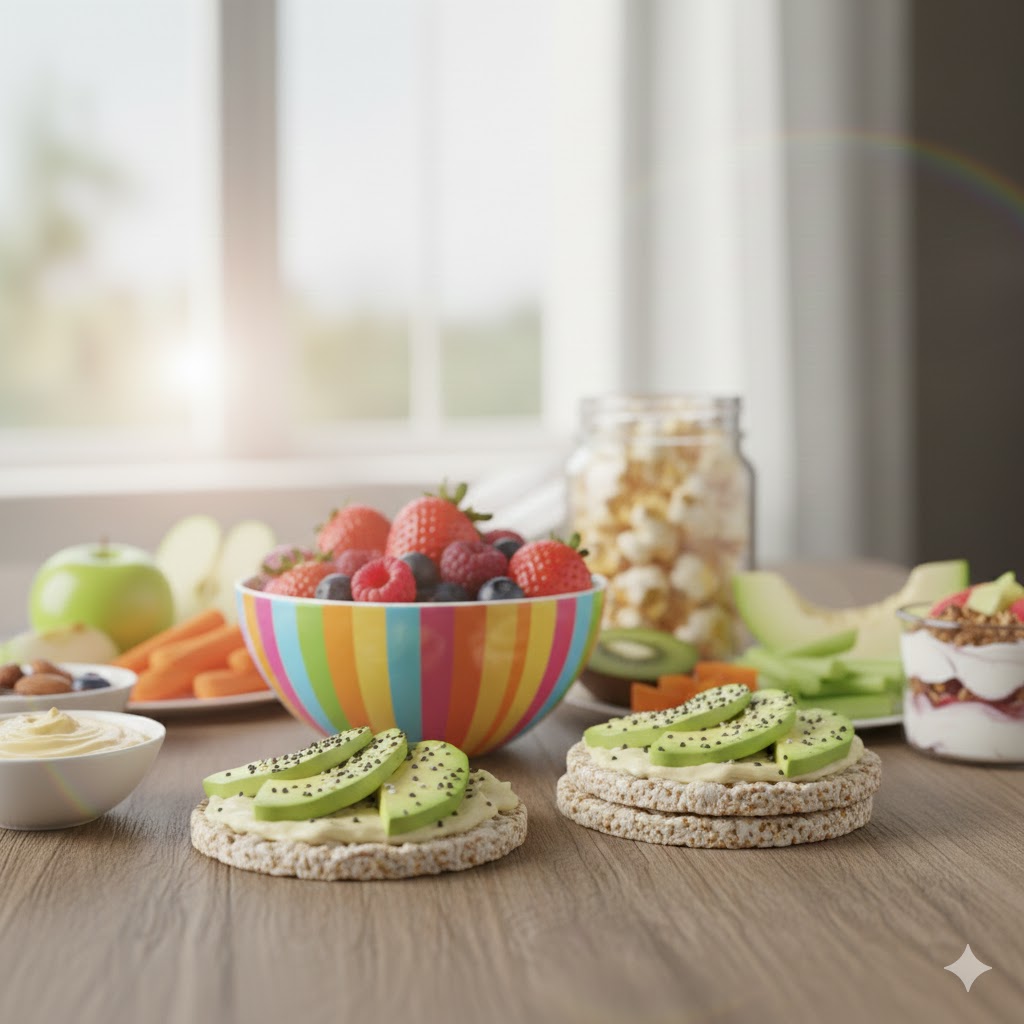
The Low-Calorie Food Market is growing rapidly, driven by health-conscious consumers seeking low-sugar, low-fat, and portion-controlled food options globally
Rising health awareness and demand for low-sugar, low-fat, and portion-controlled foods are driving innovation and growth in the global low-calorie food market.”
AUSTIN, TX, UNITED STATES, December 4, 2025 /EINPresswire.com/ -- The Low-Calorie Food Market was valued at $13.7 billion in 2025. It is projected to reach approximately $23.1 billion by 2032, growing at a Compound Annual Growth Rate (CAGR) of 7.8% between 2025 and 2032.— DataM Intelligence
The low-calorie food market is on the rise as health awareness is going higher, obesity is getting worse and customers are turning to clean-label, sugar-free, and low-fat products. Besides, a strong pull from the fitness-minded consumers and greater retail access are also speeding up the acceptance of this market.
Download your exclusive sample report today: (corporate email gets priority access):https://www.datamintelligence.com/research-report/low-calorie-snacks-market
United States Market Development:-
- October 2025: The market of low-calorie foods in the U.S. experienced a big boost in demand, thanks to the health trends and obesity concerns. This has also been reflected in the increasing prices of snacks and beverages, which are now projected to reach USD 10.83 billion.
- April 2025: It’s Skinny launched pasta meals ready to eat with zero-carb noodles in flavors like Truffle Parm and Cacio e Pepe, providing 7 grams or less of total carbs per serving along with less calories and sodium for quick, health-focused meals.
- January 2025: With the introduction of a new product line in the form of low-calorie ice cream, Nestlé is not only doing this under the famous Häagen-Dazs brand but also aiming at the health-conscious group of consumers who look for decadent yet low-calorie dessert options.
Germany Market Development:-
- September 2025: The market of low-calorie foods was estimated to reach USD 3.2 billion by 2028, mainly driven by the projected sales of organic snacks, drinks, and meals within the large health-conscious culture and improved retail strategies.
- August 2025: The German low-calorie snack food market created a spotlight on sustainability by introducing such innovations as plant-based ingredients and biodegradable packaging aimed to the eco-conscious consumers who want health-promoting products.
- February 2025: Somersby introduced Somersby Zero, the world's first zero-calorie, zero-sugar, and alcohol-free cider which was drafted for the German market and was backed by comprehensive visibility through participation in festivals and digital campaigns to attract the health-conscious adult segment.
Recent Mergers & acquisitions
- Heartland Food Products Group purchased SlimFast from Glanbia (September 2025). Heartland Food Products Group, who owns the Splenda low-calorie sweetener, has taken over SlimFast, a major player in weight management with its meal replacement shakes and snacks. The intention behind the transaction is to merge a topnotch sweetener with a weight control platform and thus, create "better-for-you" products.
- Heritage Foods took over Get-A-Way in majority share (October 2025). The dairy products manufacturer, Heritage Foods has acquired a 51% share in the protein ice cream brand Get-A-Way thereby making its entry into the market of health-focused and low-calorie desserts through an expanded portfolio.
- PepsiCo is about to take Siete Foods for $1.2 billion (the deal is expected to close during the first half of 2025). This will be a very spirited move for the company as Siete Foods, known for its gluten-free and grain-free products inspired by the heritage (which mostly fall under the "better-for-you" or health-conscious category) will be a part of the already vast PepsiCo's portfolio.
"Secure your 30% year-end discount - get this report before the offer expires."
:https://www.datamintelligence.com/buy-now-page?report=low-calorie-snacks-market ((Purchase 2 or more Repots and get 50% Discount)
Market Segmentation -
Segmentation by Product Type
→ Sweet Snacks: Along with the largest market share of approximately 55% in 2025, this segment attracts with its good demand among the consumers of North America and Europe, where sweet tastes are the major preference followed by the consumers. This segment embraces the use of natural sweeteners as well as indulgent yet guilt-free desserts among the consumers who are health-conscious or looking for treats having low calories. The segment includes fruit-based gummies, yogurt-covered specialties, and chocolates as well.
→ Savory Snacks: Here the category includes a variety of baked chips, popcorns, and healthy snacks made of vegetables with reduced salt and fat, thus targeting health-conscious individuals who are in search of a healthy alternative for the ordinary salty treats. It holds about 40% of the total market share, the rising demand in the Asia-Pacific regions together with innovations in taste enhancement have been the two major factors of its growth.
→ Others: Specialty products that are low in calories like protein bars, snacks that replace meals, and hybrids that combine sweet and savory are often customized for specific diet programs such as keto or vegan diets. These are the examples of the products contained in this segment which is roughly 5% of the total market. The reason that this segment is supported by the consumption of functional ingredients and personalized nutrition is the fact that it is still a trend.
Segmentation by Distribution Channel
→ Offline Distribution: The distribution in this case consists of the supermarkets, hypermarkets, convenience stores, and specialty health food stores, sales benefiting from spontaneous purchases and product placements in the physical retail environments. The channel is expected to capture around 70% of the market share in 2025, as a result of the consumers' trust in the channel and the availability in urban areas.
→ Online Distribution: E-commerce platforms, direct-to-consumer websites, and subscription services form this channel providing ease of shopping, availability of various products, and tailored suggestions for the busy consumers. It accounts for around 30% of the market, with digital a rapid growth from
Regional insights:-
- North America: The largest market share is claimed by this region, which is also the most developed one regarding the low-calorie snack category. The thriving of this new sector is highly connected with the consumers' health consciousness and fitness culture, especially in the U.S. and Canada, where a great number of low-calorie products are available. The region has a strong demand for snacks like low-calorie chips, granola bars, and protein-rich snacks, with the main U.S.-based companies being the ones driving innovation.
- Europe: A considerable market, Europe shows robust and ceaseless growth, with the UK, Germany, and France being the leading countries. The market gets affected by health consciousness campaigns aiming at lessening sugar consumption and combatting obesity. There is strong demand for the clean-label, organic, and plant-based low-calorie snacks, and the internet plays an important part in the distribution.
- Asia-Pacific: The Asia-Pacific area is the fastest growing market segment, owing to quick urbanization, disposable income increases, and growing health awareness, especially in China and India. The major driving factor is the shift in the way people eat, from traditional fried snacks to healthier options. E-commerce sites are the main channel through which the market is able to reach the young, tech-friendly consumers in this part of the world.
Get Customization in the report as per your requirements:https://www.datamintelligence.com/customize/low-calorie-snacks-market
Competitive Landscape:-
The key players in the market are General Mills, Inc., Conagra Brands, Inc., Cargill, Incorporated, Eat Natural, Maple Leaf Foods, Quorn, Oumph!, Upton's Natural, Hilary's Drink Eat Well, LLC, and ZELLE ORGANIC. Players in the low-calorie snacks market have adopted business expansion and product launch as their key developmental strategies to expand their market share, increase profitability, and remain competitive. For instance, on October 15, 2021, Kooky introduced fruity snacks. A new product offers deliciously healthy snacks for the whole family. A new product features a range of super fruits, including freeze-dried, light, and crispy jackfruit, mango, and mangosteen, and gently dried, soft, and chewy banana and dragon fruit.
Market drivers:-
Consumers are aware of their health and wellness more than ever before, thus, the demand for low-calorie options will steadily grow since it is the one most people turn to for a healthy lifestyle. During the COVID19 pandemic, the need for a healthy diet was, among other things, brought to people's attention which, consequently, the already existing trend was pushed.
Lifestyle diseases are becoming more and more widespread: Overweight and obesity, diabetes, cardiovascular diseases are all at the same time and to a significant extent cause and effect of the health problem. Even though the WHO and health experts link these diseases to unhealthy eating, people are still looking for low-calorie foods for losing weight and for disease control.
The changing lifestyles and urban living: The fast-paced, urban life is highly associated with less physical activity thus this has resulted in people looking for more convenient and quick to eat low-calorie foods to help them stay on a healthy diet even when their days are busy.
Food science has been revolutionized through technological innovations: Cutting-edge food technology has opened manufacturers' doors to the new realm of natural sweeteners (for example, sugar-free) and effective fat replacements that lower calories but are still palatable and with similar texture. Artificial intelligence is also among the tools that accompany the companies in the quest for innovative, personalized, and reformulated low-calorie products.
Emerging plant-based and functional food trends: The market for low-calorie, plant-based, vegan, and functional medical food is witnessing an upsurge. The specific diets like keto and paleo consumers along with the lactose intolerant ones are propelling the need for the non-dairy, gluten-free, and nutrient-based low-calorie products.
Online retailing's reach is broadening: E-commerce platforms are providing consumers with easy access to a wide variety of low-calorie products. In addition, digital marketing and collaboration with celebrities are among the ways through which these products are being promoted and sold all over.
Conclusion
The low calorie snacks market is poised for strong growth driven by increasing health consciousness, demand for convenient nutritious options, and expanding retail channels globally. Key regions including Europe, North America, and Asia-Pacific show rising consumer preference, promoting innovation and diversification in low calorie snack products for healthier lifestyles.
Related Reports-
- Meat Snacks Market
- Fruit Snacks Market
Sai Kiran
DataM Intelligence 4Market Research
+1 877-441-4866
email us here
Visit us on social media:
LinkedIn
X
Legal Disclaimer:
EIN Presswire provides this news content "as is" without warranty of any kind. We do not accept any responsibility or liability for the accuracy, content, images, videos, licenses, completeness, legality, or reliability of the information contained in this article. If you have any complaints or copyright issues related to this article, kindly contact the author above.
